Contraception & Planning
Contraception comes in many forms and is used to prevent, delay, or plan a pregnancy. Most birth control methods work by suppressing ovulation, preventing your ovaries from releasing an egg each month.
Request an appointment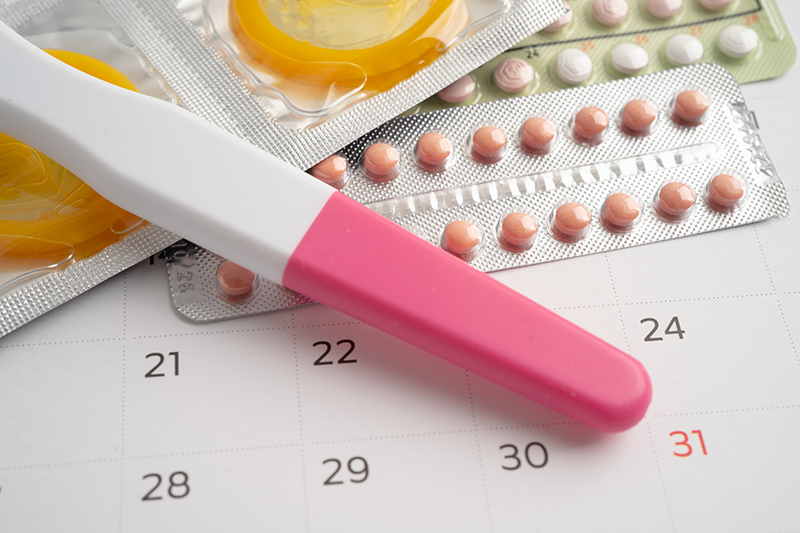
Depending on where you are in your cycle when you begin a contraceptive method, you may need to use additional protection—such as condoms—for a short period. It’s important to remember that most contraceptives do not protect against sexually transmitted infections (STIs). Using condoms can help reduce the risk of infection.
-
Short-Term Contraception
Barrier Methods (Condoms)
- Reduce sexual transmission of HIV and infections like gonorrhea, chlamydia, and trichomonas.
- Offer less protection against infections spread by skin-to-skin contact (e.g., herpes, genital warts, syphilis).
Hormonal Contraceptives
Pills:
- Conventional pills follow a monthly cycle, resulting in a regular period.
- Continuous-use pills reduce the number of periods to four per year or may stop them entirely.
Patches:
- Release estrogen and progestin through the skin.
- Typically used weekly: one patch per week for three weeks, followed by a patch-free week for your period.
Injectables:
- A hormone injection usually administered every three months.
-
Long-Term Contraception
Intrauterine Device (IUD)
A small device placed inside the uterus for extended protection.
Copper IUD:
- Wrapped in copper coils that create a sperm-toxic environment.
- Prevents implantation if fertilization occurs.
Hormonal IUS (Intrauterine System):
- Releases progestin to prevent ovulation and implantation.
-
Delaying Your Period
If you need to shift your menstrual cycle for travel, special events, or religious purposes, your doctor may prescribe progesterone tablets or combined oral contraceptives.
- This method is simple and effective.
- However, your next period may be heavier and accompanied by stronger cramps.
- Frequent period delay is not recommended.